Building for What Comes Next
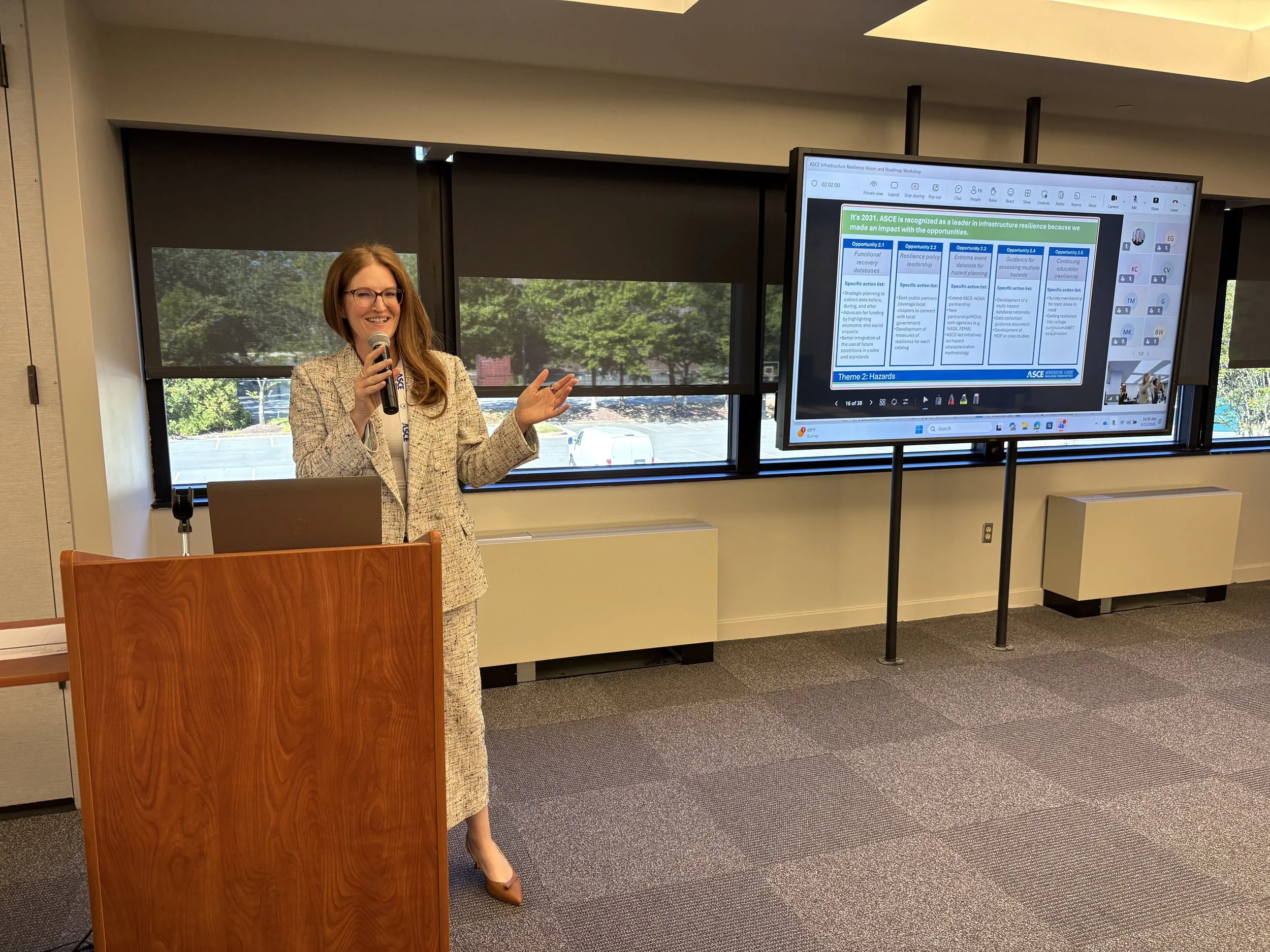
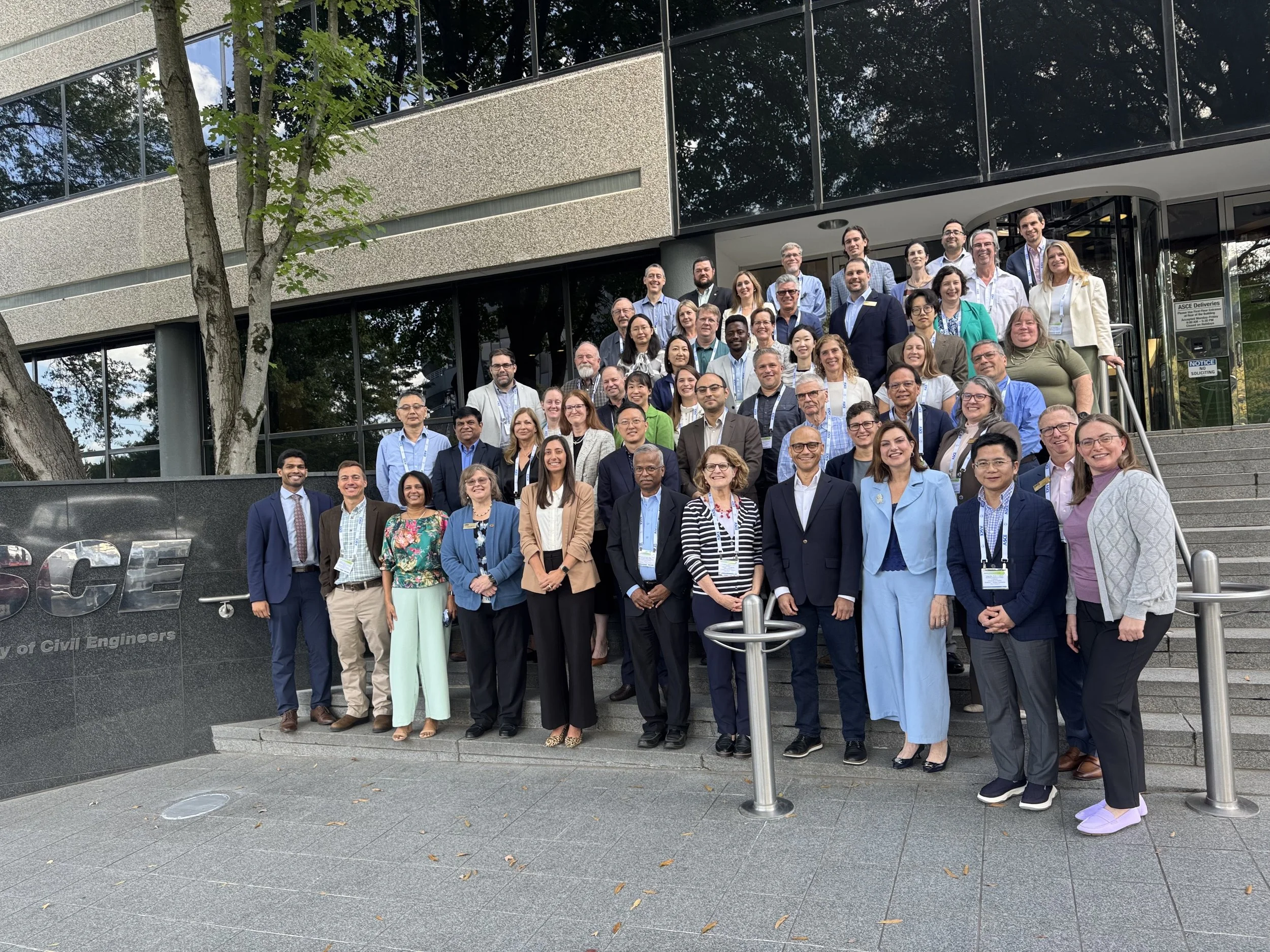
Since returning from the ASCE Infrastructure Resilience Workshop last week, I have reflected on my personal definition of resilience, both from civil engineering and personal perspectives. I think of resilience as the ability to withstand everyday circumstances, handle extreme loads that we predict, and remain standing and functional when conditions exceed what we anticipated.
What does this mean in a practical sense? I have two coolers as part of my field gear: a Yeti and a Coleman. Both are excellent products and serve important purposes. However, when I know I’ll be working in extreme conditions and need cold water on hand a couple of days into my field work, I’m packing the Yeti every time.
We can think about infrastructure resilience in much the same way. What level of performance do we expect from a structure or system under more extreme conditions, and what is required for it to remain functional during and after events in an uncertain future?
When I think about some of our most significant structures in the American West like the Golden Gate Bridge or Hoover Dam, I wish I could have been a witness to the conversations that the engineers and builders had nearly a century ago as those projects were conceptualized and brought to life. Data were comparatively limited, the future was dynamic, regional and global economics were in flux, and the population was growing. Engineers did not have today’s computational models or the ability to rapidly evaluate a multitude of scenarios and design conditions. They had to make well-founded assumptions, respect the laws of statics and dynamics, exercise engineering judgment, and make enormous investments to build structures that would serve generations. We continue to benefit from those investments today.
We now have more data, computational capacity, and advanced construction methods than ever before. But the sophistication of our tools should not be mistaken for the completeness of our knowledge. Data gaps remain, not every aspect of a complex system can be parameterized, and we still have to make well-founded assumptions that align with the standard of care of our technical practice.
In that sense, our situation is not so different from that of the engineers who came before us. We have grand challenges and opportunities ahead: harnessing technology; learning from successes, failures, and near-misses; considering new contingencies; and deciding what level of performance we expect from the infrastructure and systems on which our communities depend.
The infrastructure we inherited was shaped by decisions made generations ago. The decisions we make about resilience today will shape what future generations inherit from us.